
Latest


It’s easy to see AI avatars as just another marketing channel. I think the shift is much bigger than that. What interests me about avatar technology isn’t simply that we can give AI a face and a voice. It’s that we can make knowledge, expertise and personality conversational.
Instead of one person speaking to thousands through the same piece of content, a thousand people can have a thousand different conversations.
Marketing has always talked to people. Now people can talk back.
Most marketing still works in roughly the same way: we create content, a campaign or a website, and people react to it. AI avatars change that dynamic. A user can ask what actually interests them, go deeper and come back later to continue the conversation.
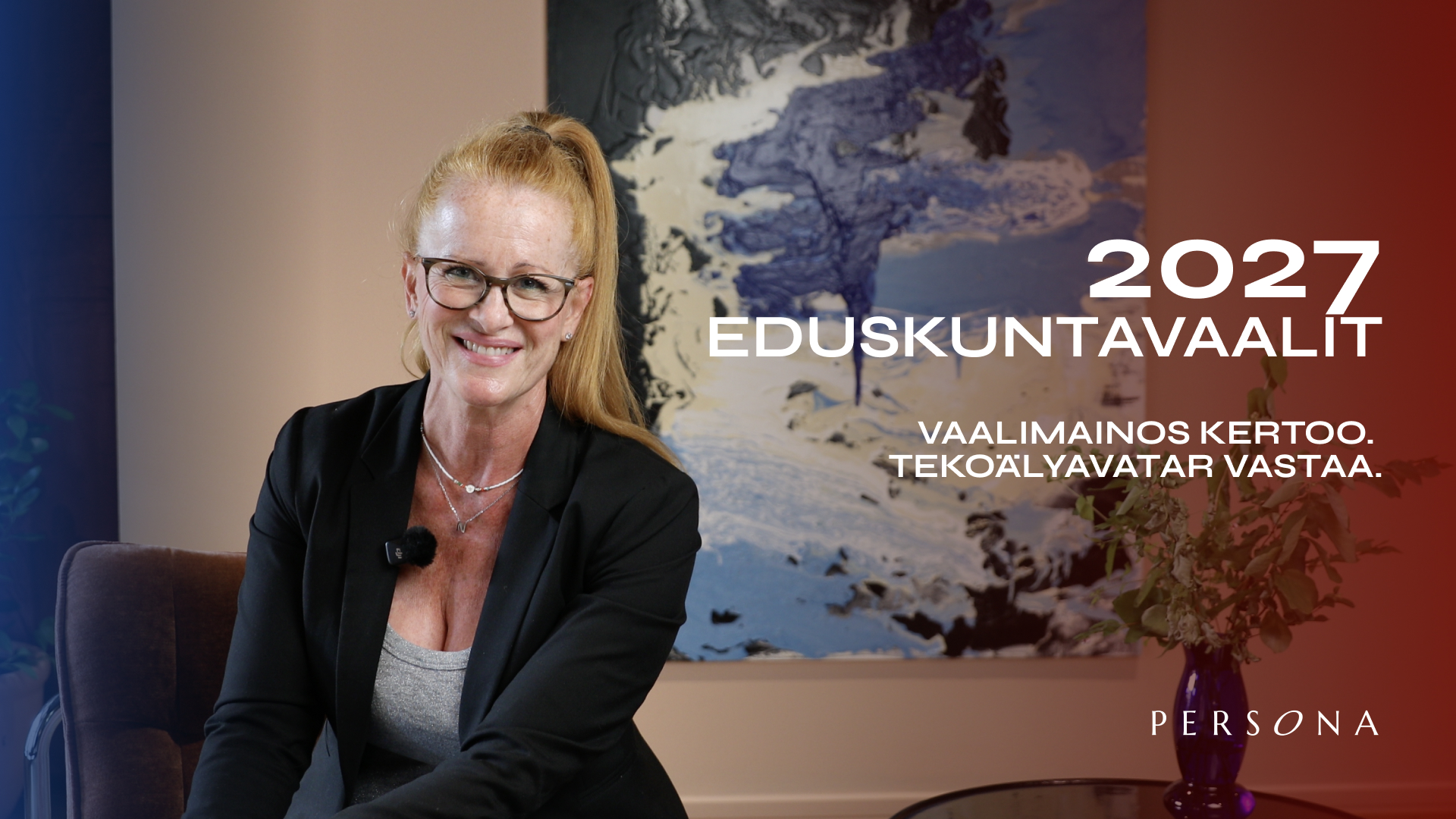
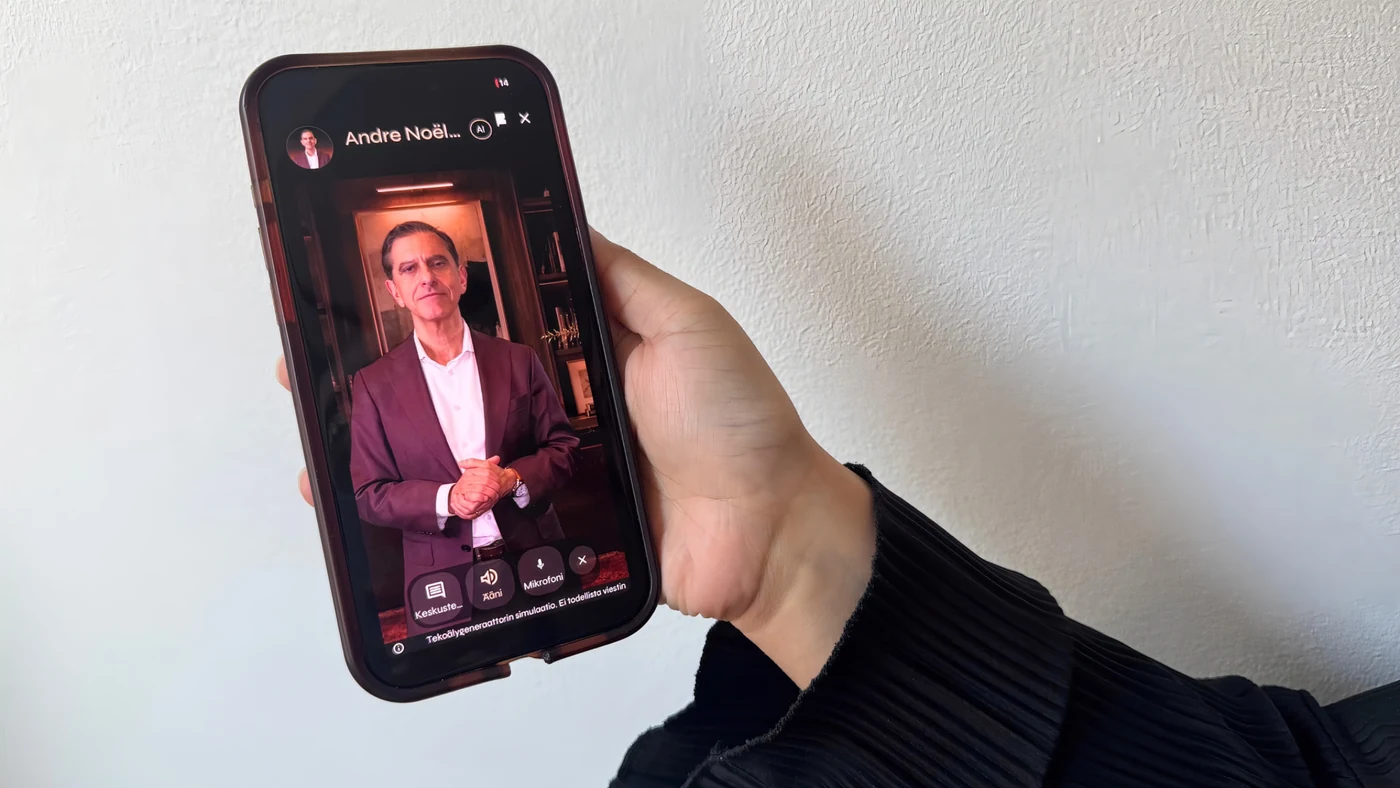
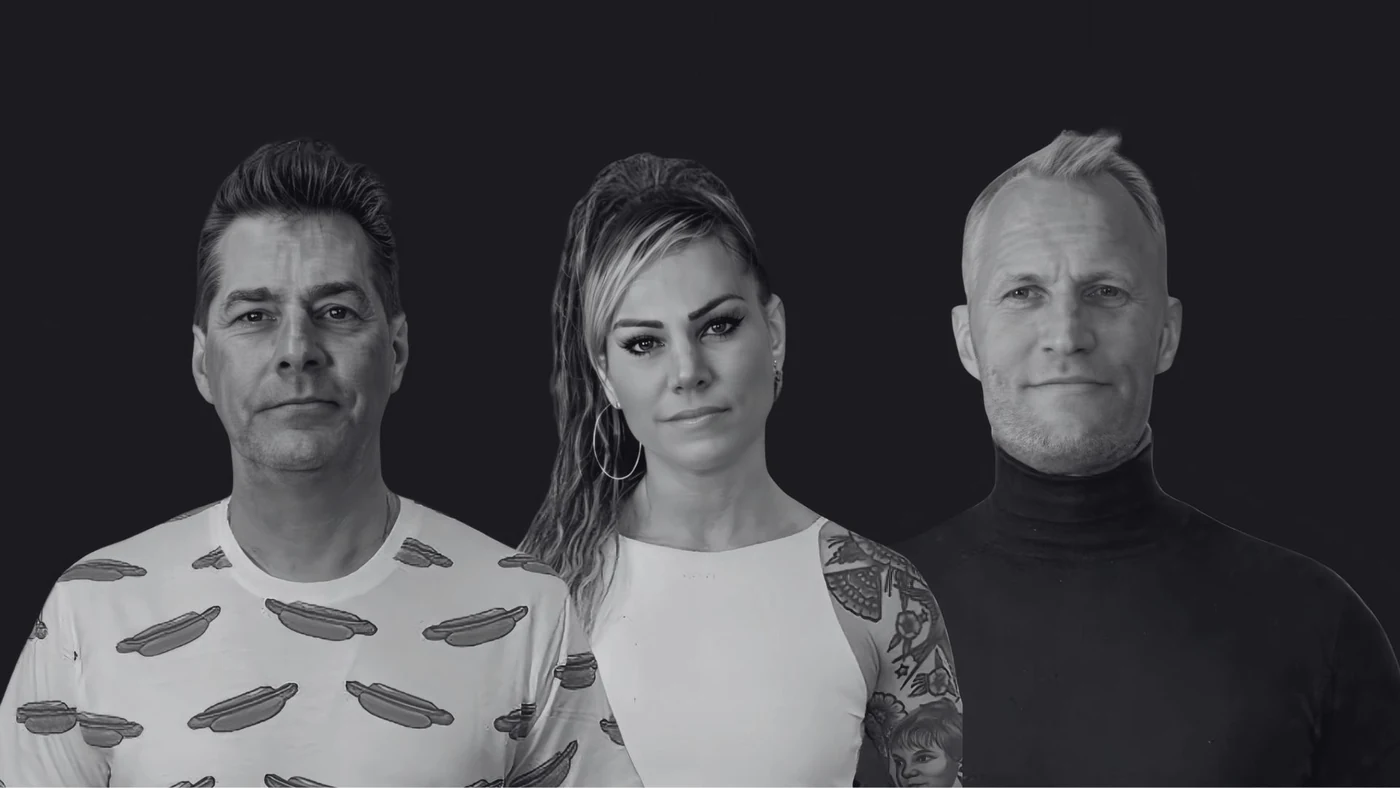
That’s one of the reasons we built Persona. On Persona Avatar, people can talk with official AI avatars of real people, created together with them and with their permission. Personaland takes the same technology in a completely different direction with imaginary characters. Behind both is the same idea: you don’t have just to prompt AI. You can have a conversation with it.
As a marketer, one thing interests me in particular: does someone come back? Curiosity can drive the first conversation. But if someone returns to the same AI avatar and continues where they left off, something more interesting is happening.
That’s also why memory is such an important part of the experience for us. As a CMO, I don’t only want to measure whether we captured someone’s attention. I want to know whether we created something they actually want to return to.
When we talk about AI avatars, the conversation quickly turns to how realistic they look. I think that’s the wrong competition. At Persona, AI avatars of real people are built with them and with their permission. We’re not trying to create a perfect digital copy that could be mistaken for the real person.
An AI avatar can be recognisably AI and still be personal, interesting and useful. Its value comes from knowledge, personality, memory, voice and, most importantly, the conversation itself. That’s why No Deepfakes isn’t just a technical principle for us. It’s a brand decision.
We’ve built the internet around making people find information: click, scroll, search, open the FAQ. Conversational AI flips that logic. Instead of having to find the answer, you can ask.
I find this especially interesting from a business perspective. Companies have enormous amounts of knowledge and expertise, yet it’s still up to the user to find it. Avatar technology can make that expertise conversational.
I don’t believe everything needs an avatar or AI. The most interesting question for me isn’t how realistic an avatar we can build, but how good a conversation we can create.
That, to me, is where the real potential of this technology lies.