Insights

What is an AI avatar?

CMO point-of-view: AI avatars are changing how brands and people connect
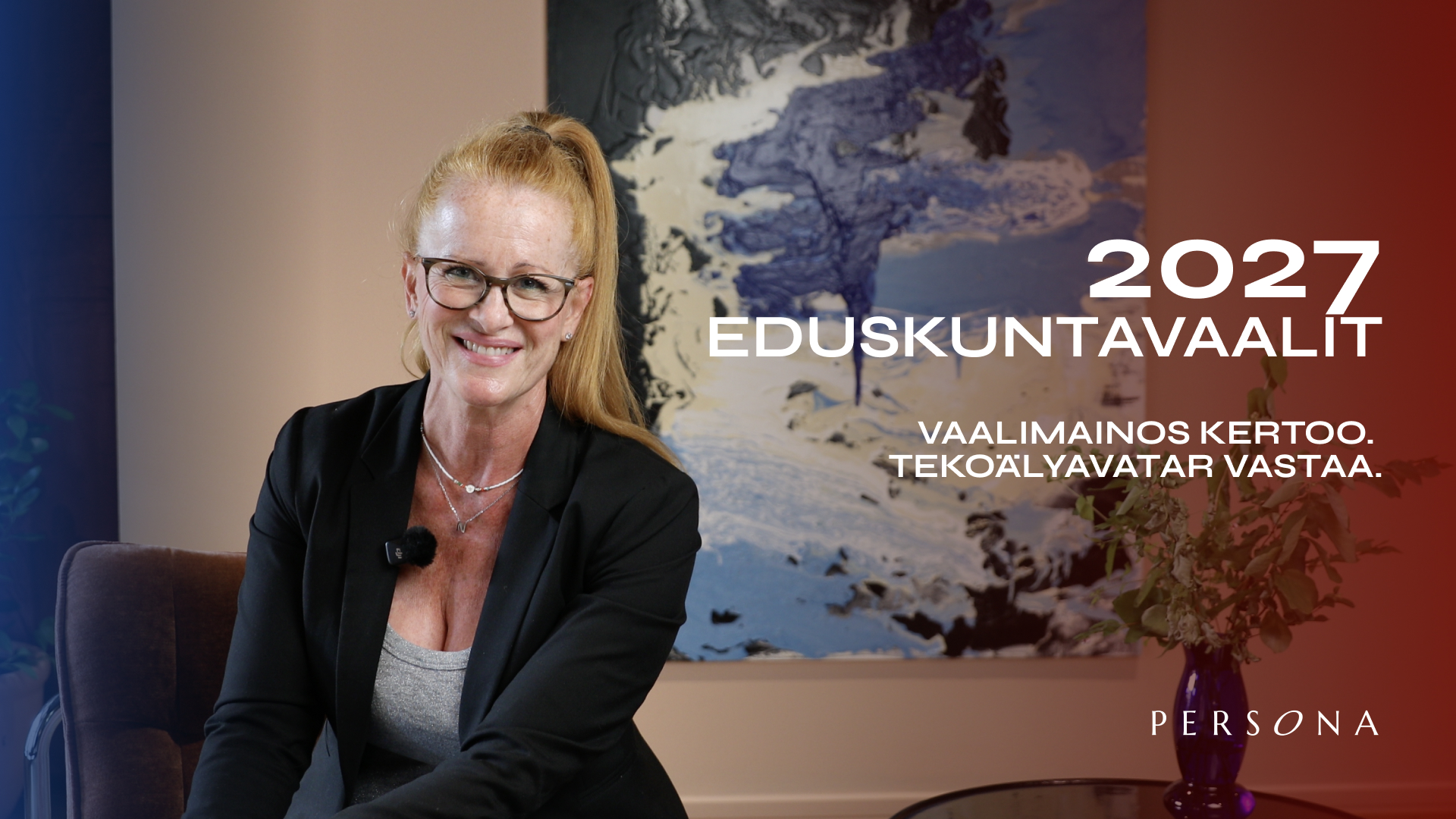
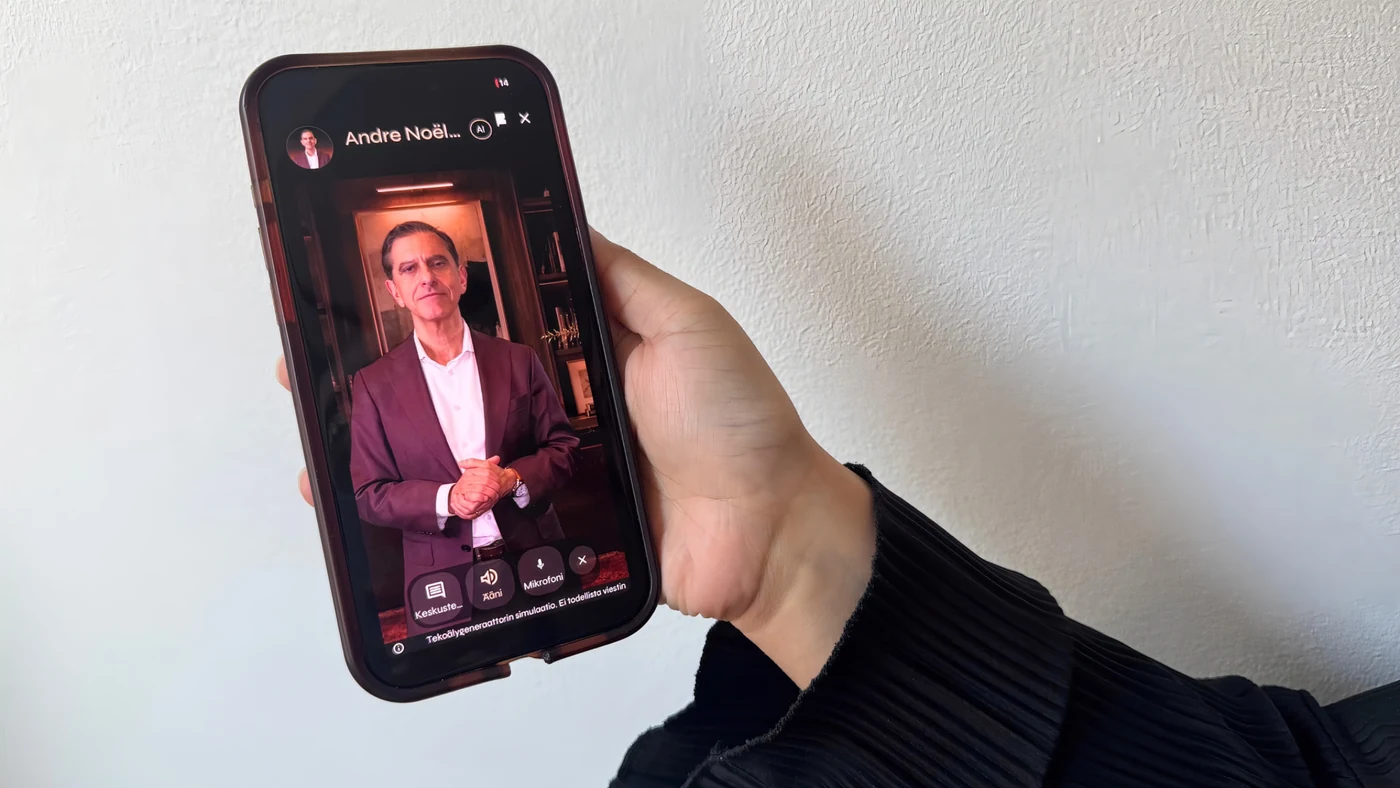
A new way to talk to political candidates
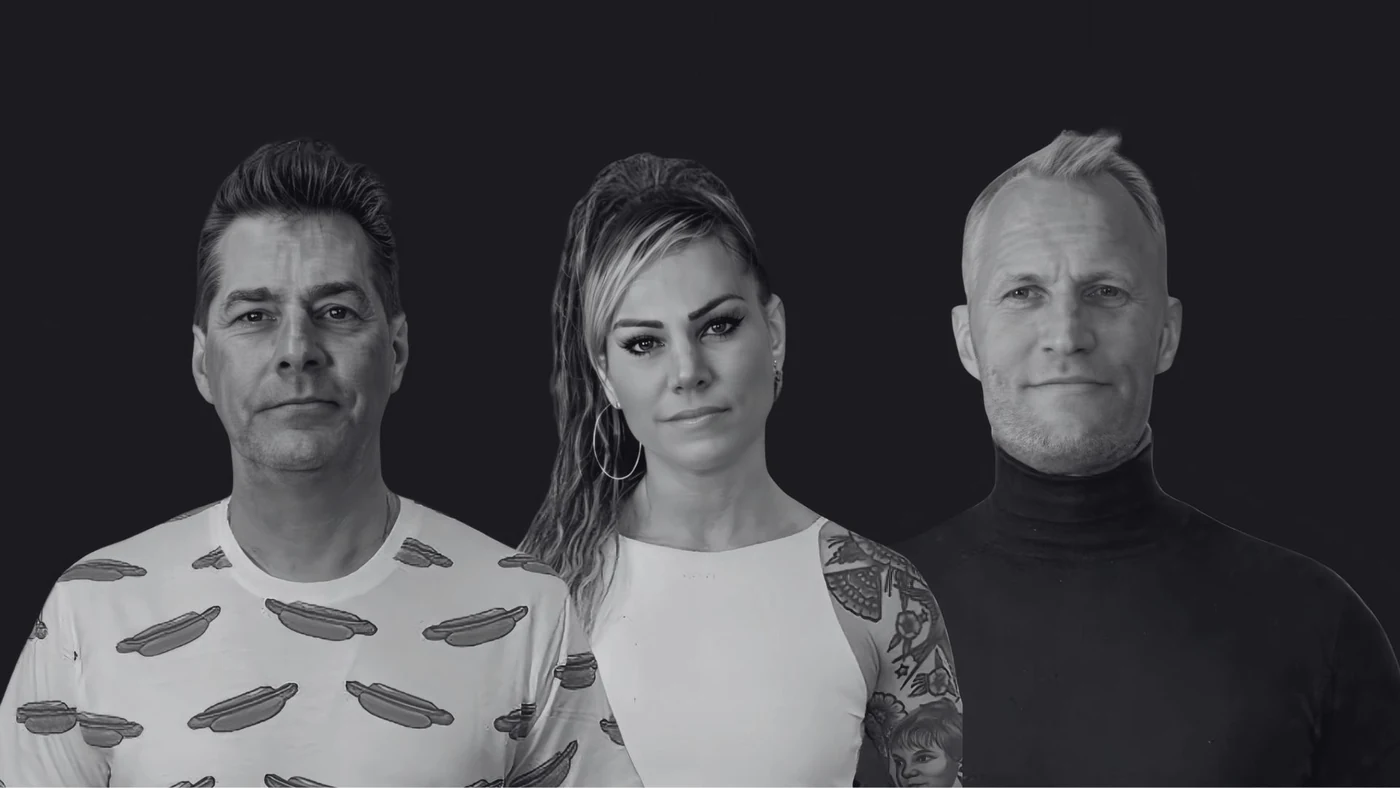
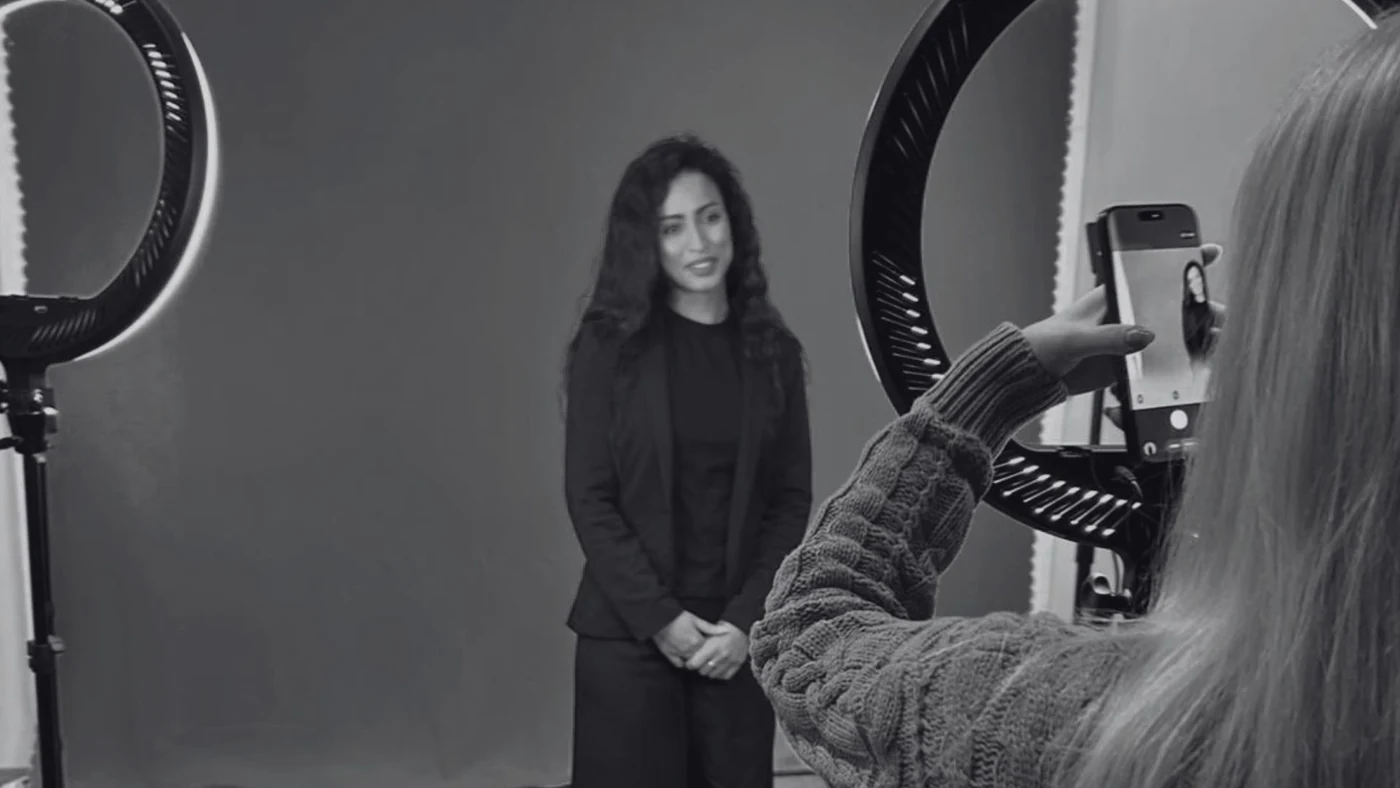
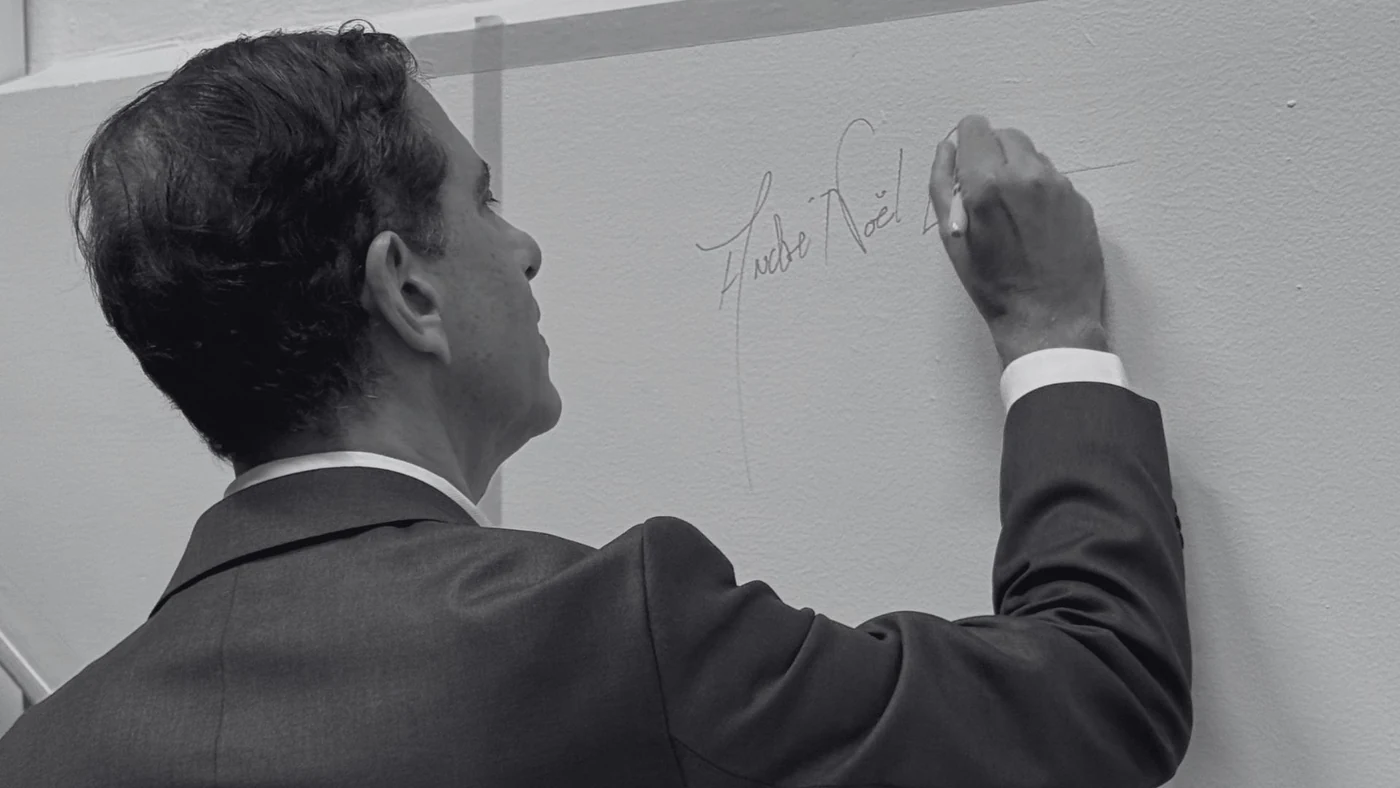


Many people still confuse deepfakes and AI avatars, and it is understandable. Both can use AI to generate voice, images, video or text, and at first glance the result can look very similar. In reality, they are two completely different things.
A deepfake is designed to imitate a real person as convincingly as possible – sometimes even without their permission. An AI avatar, on the other hand, is built together with the person. Its purpose is not to mislead, but to offer a new way to talk, learn and interact. That is where the whole difference lies.

When you evaluate a digital character, the most important question is not how real it looks. It is far more important to ask whether the character was built together with a person, or at their expense. A deepfake tries to imitate a person, while an AI avatar represents them with their permission.
When an AI avatar is built together with a real person, you can agree together on things like:
So the difference is not only technical. Above all, it is ethical.
The goal of an AI avatar is not to make the user believe there is a real person on the other side of the conversation. Quite the opposite: the user is supposed to know.
Deepfake
Built to imitate a real person.
AI avatar
Built to represent a person with their permission.
Deepfake
Consent may be missing entirely.
AI avatar
Created in collaboration with the person.
Deepfake
May mislead the user.
AI avatar
The user is openly told that this is AI.
Deepfake
Often linked to misuse and disinformation.
AI avatar
Made for conversation, learning, customer experiences and entertainment.
Deepfake
Trust relies on the user not noticing the difference.
AI avatar
Trust is based on transparency.
Collaboration makes an AI avatar more than a digital copy. When a person takes part in building their avatar, their expertise, conversational style, values and personality can be brought along. At the same time, clear boundaries can be defined for how the avatar is used.
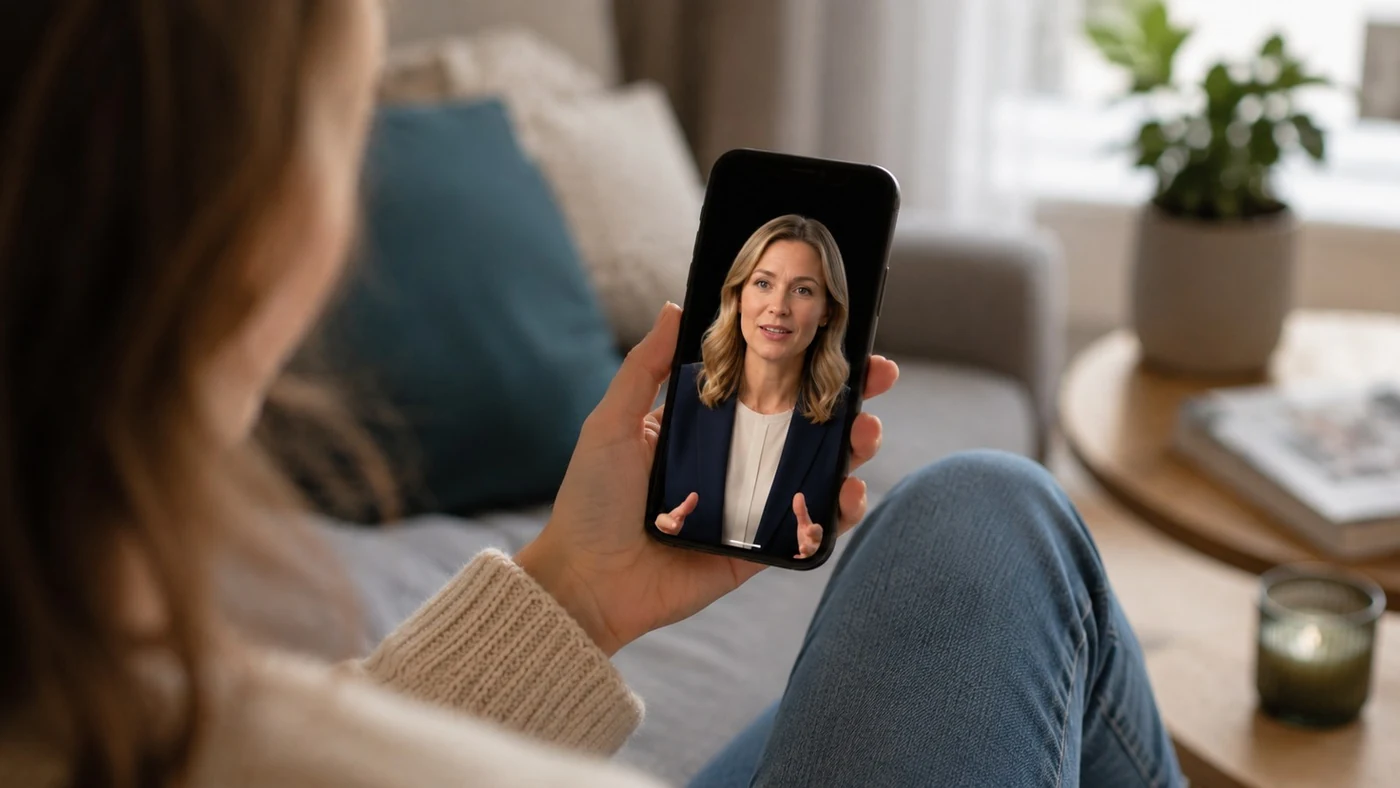
In that case the AI avatar does not replace the person; it expands their ability to interact with their audience. An expert can share their knowledge around the clock, an athlete can talk with fans in different languages, or a public figure can offer a new way to get to know them. It is not about pretending to be someone else – it is a new way of being reachable.

The best AI services do not try to hide the fact that the user is talking with AI; they say it openly. This also matters from a legal perspective: the European Union AI Act requires that users can recognise when they are interacting with an AI system, unless it is otherwise obvious.
But this is not only about regulation, it is about trust. When users know they are talking with an AI avatar, they can focus on the conversation itself without wondering who is really on the other side. Transparency does not reduce the value of the experience – it makes it more credible.
Collaboration is an important starting point, but a responsible AI avatar is also built from many practical choices. A good service clearly explains:
When these things are in order, users know what to expect from the service.
Personal conversations also require responsible data handling. If a service remembers earlier conversations, users need to know what is stored, why it is processed and how it is protected.
Privacy should not be a hidden detail in the terms of service; it should be an essential part of the experience. A transparent service explains all of this clearly before the conversation even begins.

Persona Avatar is built on the idea that AI avatars are created through collaboration, not imitation. Official AI avatars are always created together with the people behind them: they take part in building their avatar, and users are always openly told that there is an AI avatar on the other side of the conversation.
In Persona Avatar you can talk with both official AI avatars and the fictional characters of Personaland. In both cases the starting point is the same: users never have to guess what they are experiencing. The goal is not to build the most convincing imitation of a person, but to build interesting conversations.
AI develops fast, but one thing does not change: trust is born from openness. The best AI avatars of the future will not be the ones that manage to fool people into believing something false, but the ones people want to talk with again and again.
We believe the future of AI avatars is built on collaboration, transparency and responsibility. And that is exactly why a deepfake and an AI avatar are not the same thing.